Print Books vs E-Books for Toddlers: What the Research Says
Published November 17, 2026 · Updated November 17, 2026
Most families now own both kinds of book: a shelf of worn board books and a tablet full of story apps. Both get called "reading," but research on toddlers and preschoolers shows they do not work the same way at bedtime. Here is what the studies actually found, and how to use each format well.
Are print books or e-books better for toddlers?
For reading together with a toddler, print books have the edge. Studies comparing the two formats find that parents and young children talk more, and work together more, over a paper book. E-books are not harmful, and some can help, but for shared reading with the youngest children, paper is the safer default choice.
The American Academy of Pediatrics' parenting site sums up the evidence carefully. It notes that several studies suggest children learn more from a print book than an e-book, that print books are less distracting, and that parents tend to engage less when sharing an e-book. It also admits there are no clear answers yet, and its bottom line is simple: whatever the format, keep reading together.
Why do parents and toddlers talk less over an e-book?
The screen pulls attention away from the conversation. In a careful lab study, parents and toddlers who read the same stories in print, as a basic e-book, and as an enhanced e-book spoke less and collaborated less with both electronic versions. Parents spent more of their words on the device itself and fewer on the story.
That study, published in the journal Pediatrics, videotaped 37 parent and toddler pairs reading in three formats. With print, parents used more dialogic, back-and-forth talk about the story, toddlers made more comments about the book, and the pair scored higher on working together. With the tablet, more of the talk was about the format: which button to press, what not to touch.
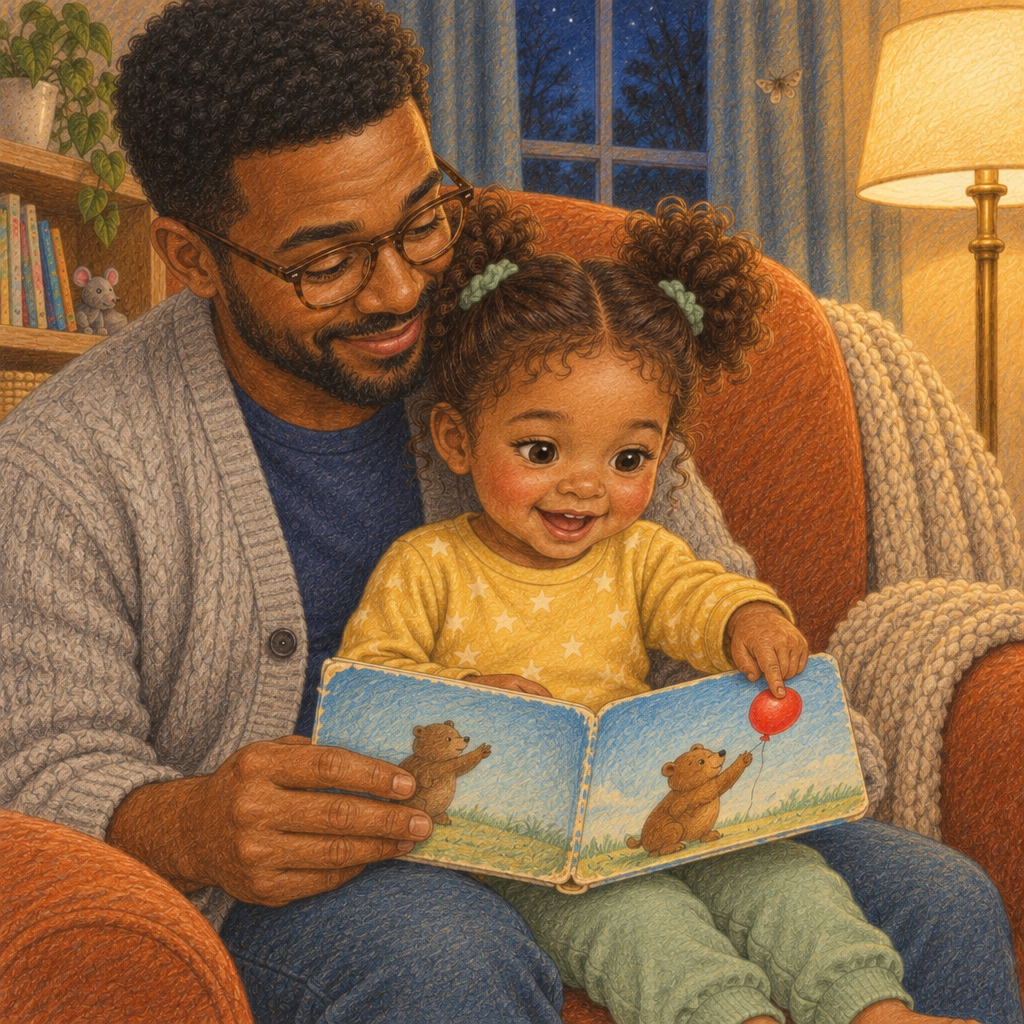
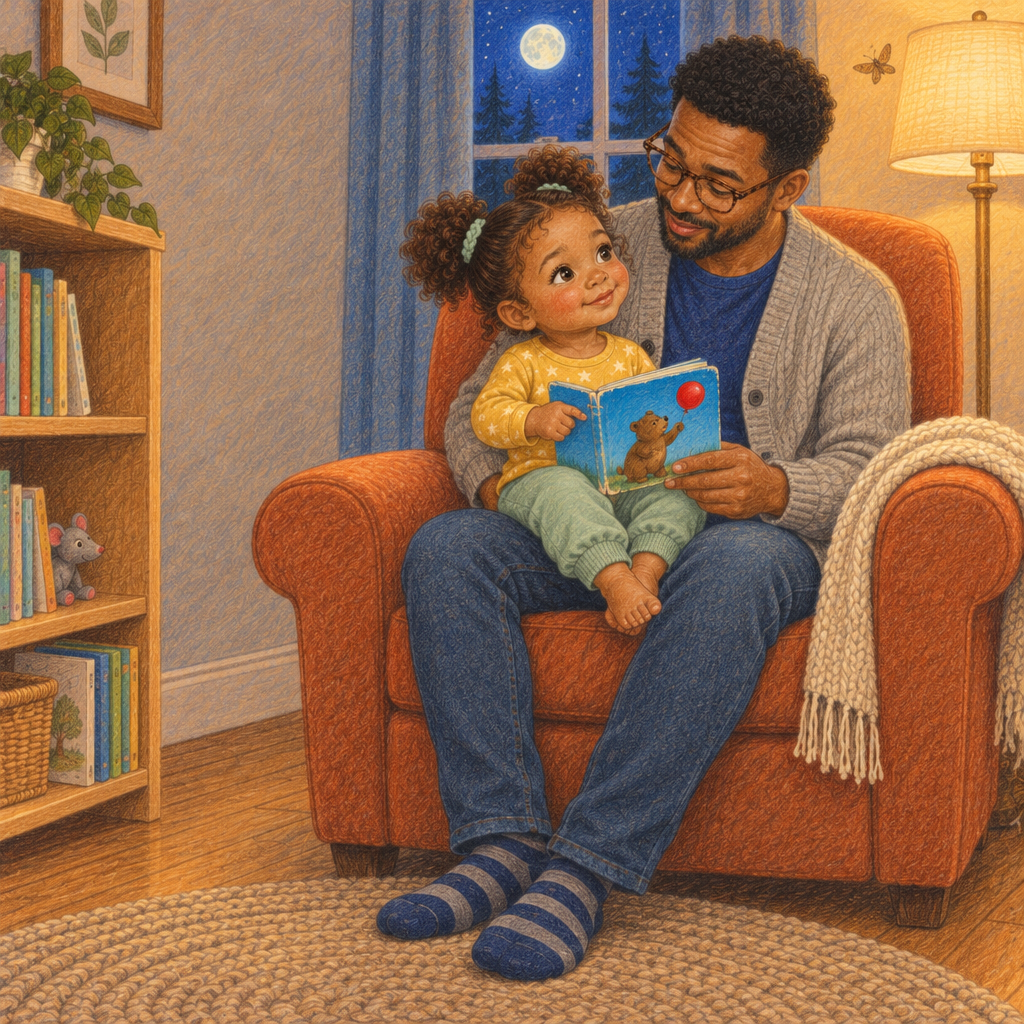
Think about what that looks like at home. A question like "What do you think the bear will do next?" or "Where is the red balloon?" invites your child to think and to talk. Every time the device interrupts that exchange, story time drifts toward managing a screen instead.
Do e-book animations and games help or hurt understanding?
It depends on the feature. A large review of 43 studies found that animated pictures, music, and sound effects in digital stories helped young children understand it and learn words. Interactive extras such as hotspots, games, and pop-up dictionaries did the opposite: they distracted children from the story.
The review, which pooled data from 2,147 children in 43 studies, found a small overall benefit of technology-enhanced stories for story comprehension and expressive vocabulary compared with more traditional storybook settings. Multimedia features such as animated pictures, music, and sound effects were the ones linked to that benefit. Interactive elements that were not tightly tied to the plot acted as distractions, and the authors note that this pattern was strongest for children from less stimulating home environments, who gained most from good multimedia and lost most to distracting extras.
In practice, a tap-to-make-the-cow-moo feature might be fun once, but if it pulls your child away from following what happens next, it is costing more than it gives.
When can a digital book actually help a young child learn?
A digital book helps most when its extras serve the story rather than compete with it. A 2021 review of 39 studies found that digital books with story-matched enhancements actually beat paper books for comprehension. A digital book that differed from its paper version only by being on screen did worse.
That review covered 1,812 children aged 1 to 8 and looked at comprehension and vocabulary. Three findings stand out for parents:
- When a digital book differed from its paper version only by being on a screen, children understood less of the story.
- An adult reading a print book with a child was more effective than the enhancements in a digital book that a child used alone.
- Built-in dictionaries did not help, and sometimes hurt, story understanding, although they did help children learn new words.
So the device is not the whole story. What is on the screen, and whether a grown-up is reading alongside, matters at least as much as the format.
How do I choose a good e-book for my preschooler?
Choose e-books with few bells and whistles, and read them with your child rather than handing the tablet over. Look for animation and sound that match what is happening in the story, and skip apps built around games, hotspots, or rewards that have nothing to do with the plot.
A few practical checks before you download:
- Does every extra move the story forward? Narration and pictures that change with the text are in line with what the research found helpful. Mini-games in the middle of a page are the kind of interactive feature the 43-study review linked to distraction.
- Can you turn off the extras? The AAP's guidance points out that too many enhancements can distract children from the story and make the details harder to remember.
- Will you be there? Adult support during reading made a clear difference in the 2021 review. Treat an e-book like a picture book: sit together, pause, point, and ask questions.
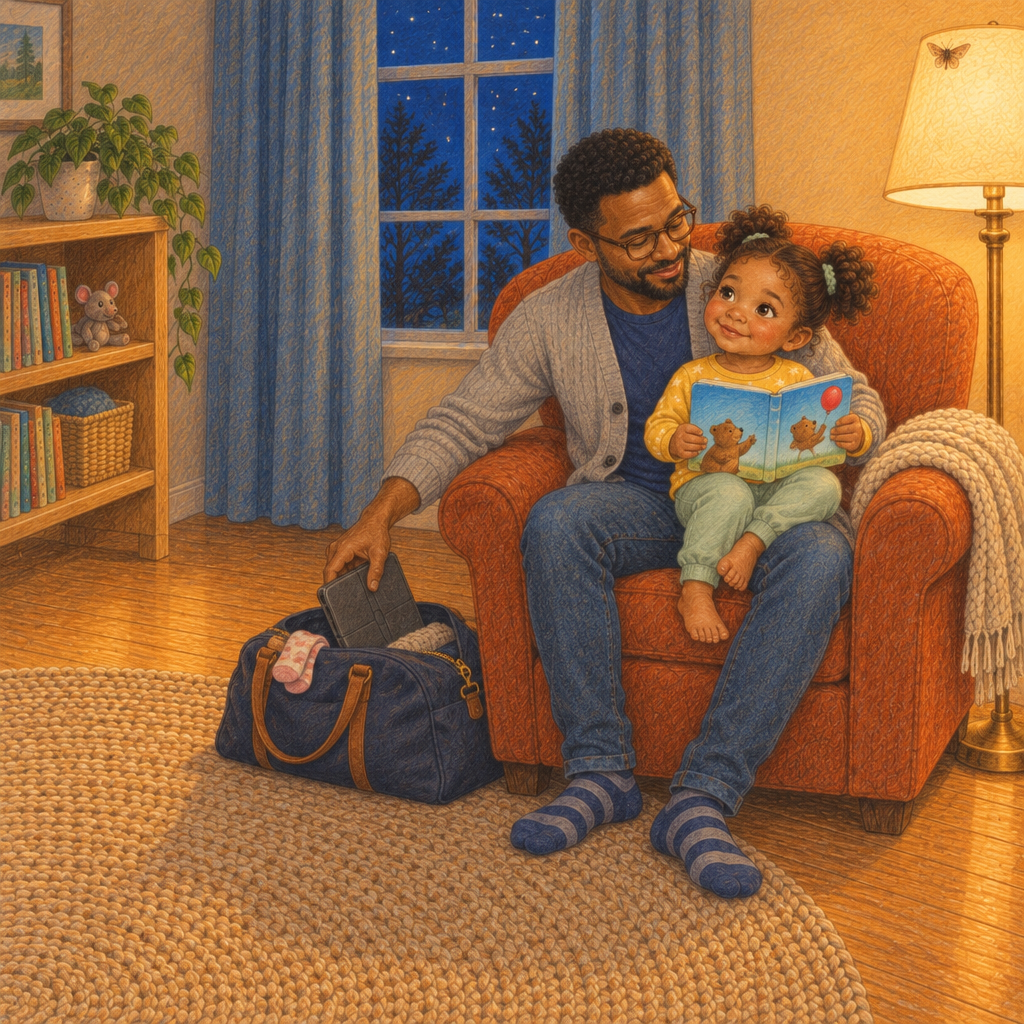
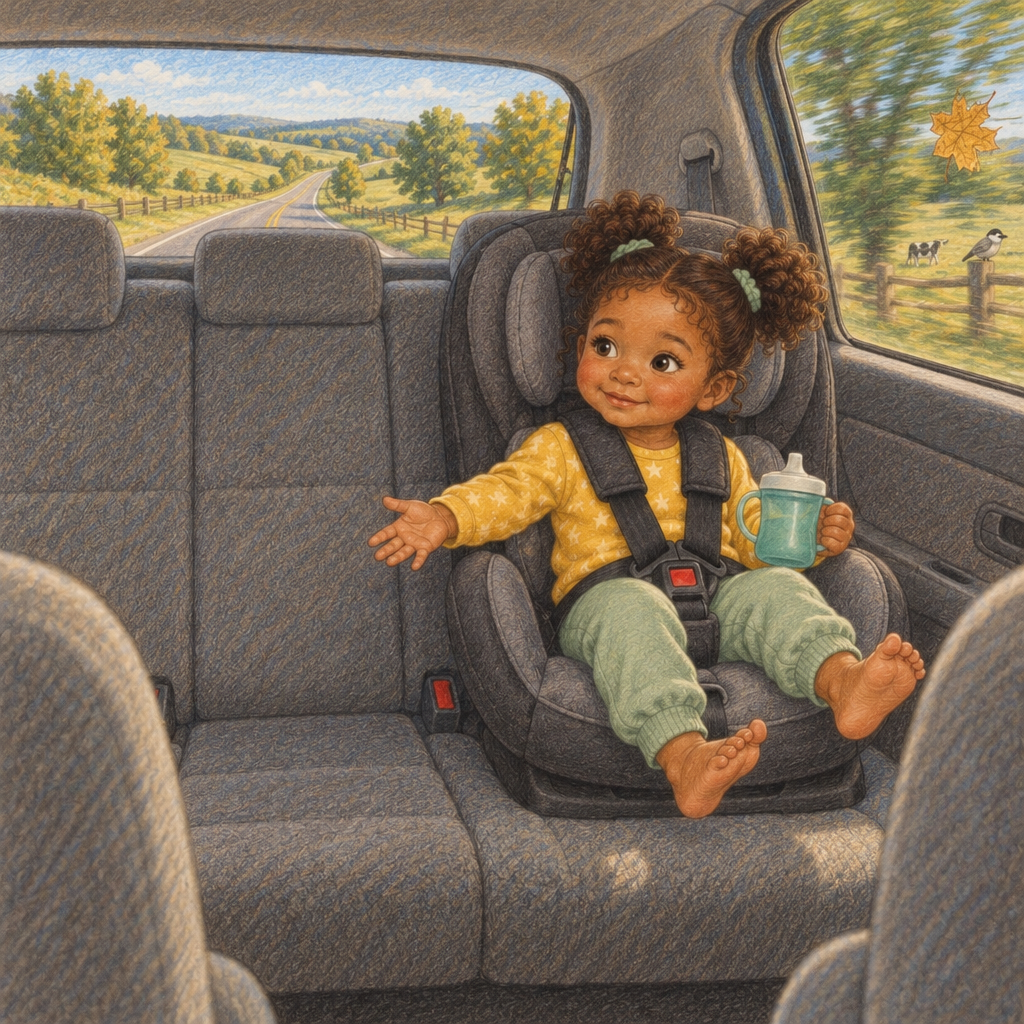
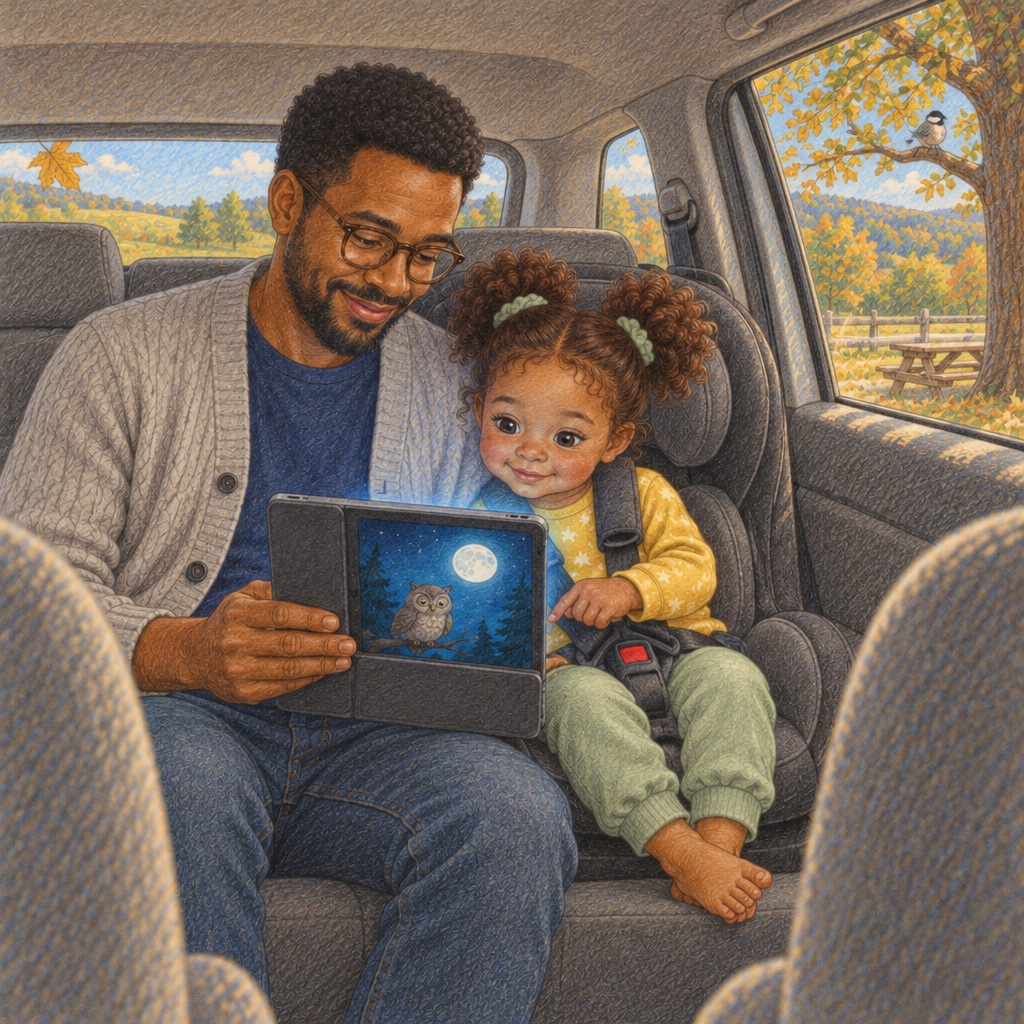
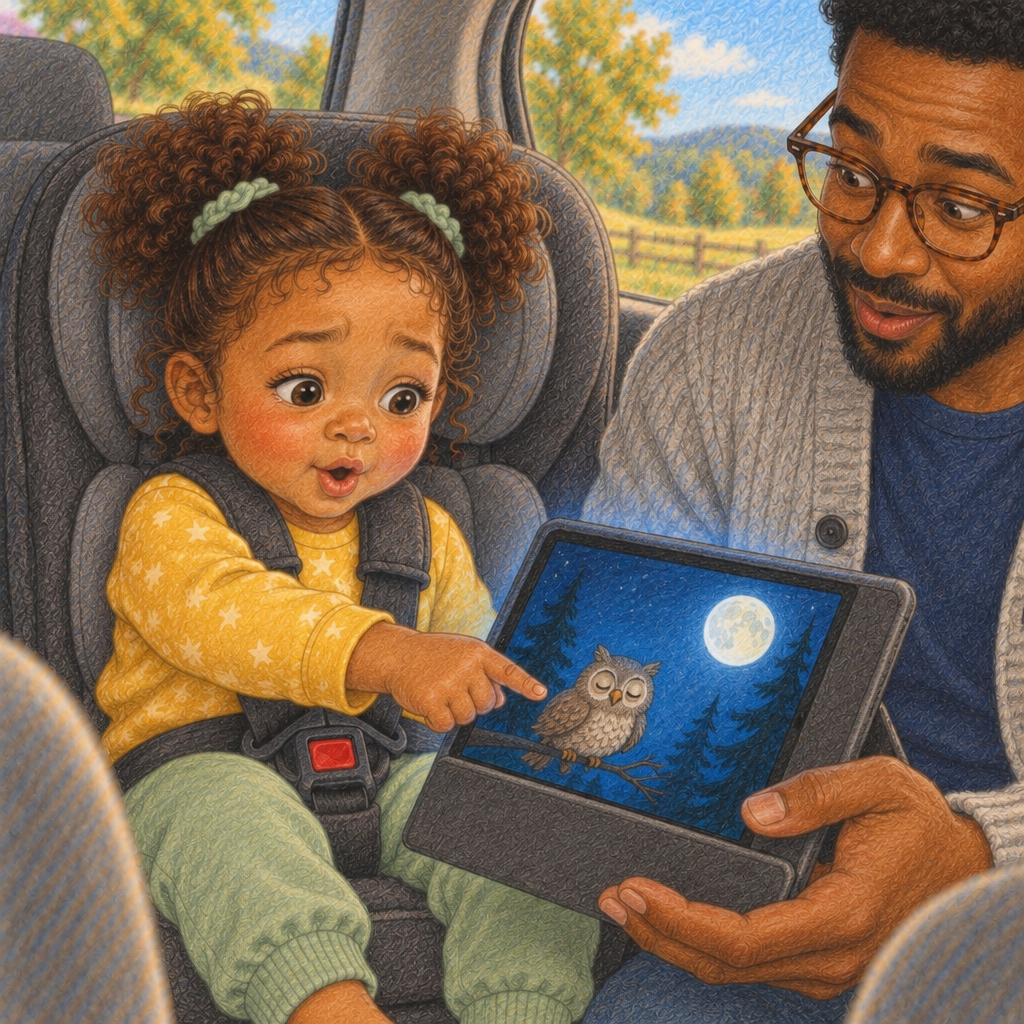
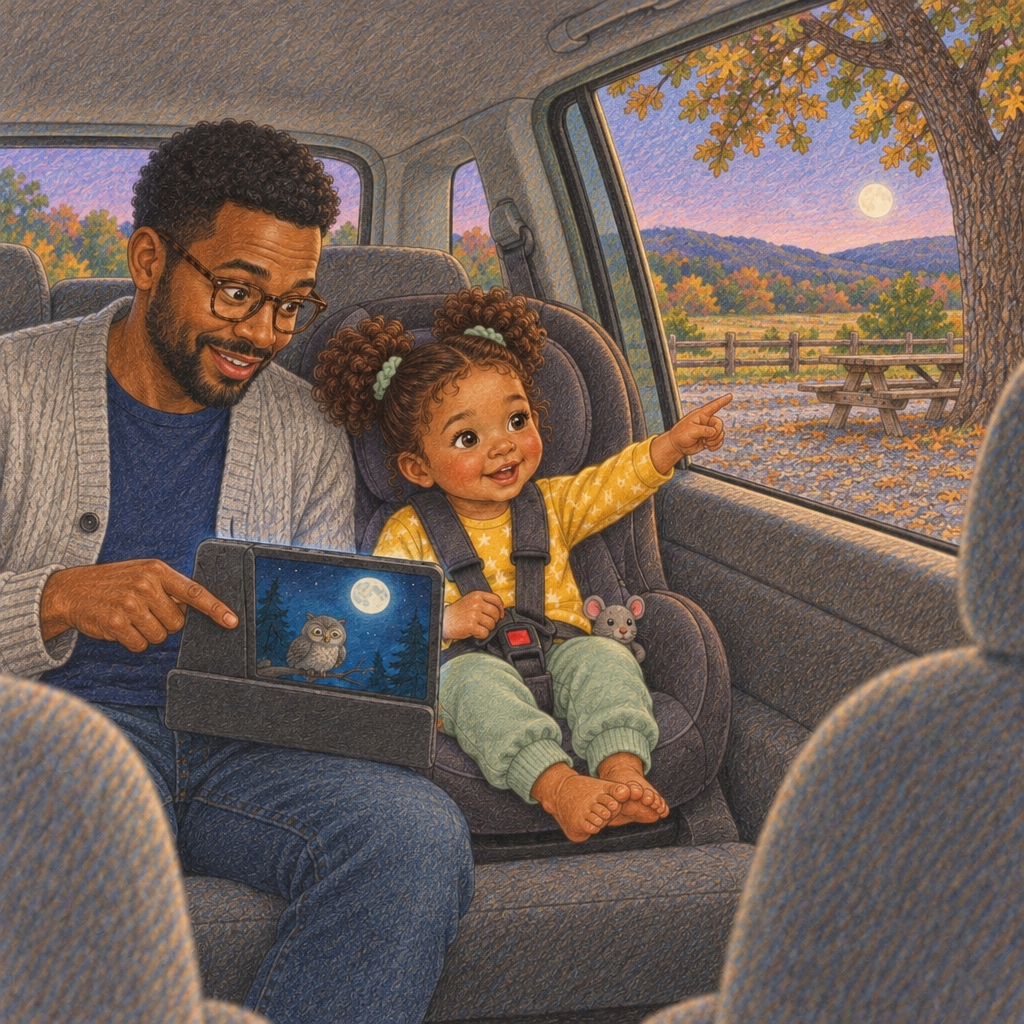
E-books also have real advantages worth using. They are portable, often less expensive, and text can adjust to the screen. A stack of stories on a phone can rescue a long car ride or a doctor's waiting room.
Should we stop using e-books altogether?
No. Reading in any format benefits children, and the AAP's advice is to try both and use what works for your family. The research simply suggests that, for toddlers and preschoolers, a paper book shared with a parent should stay at the center of story time, with e-books as a useful extra.
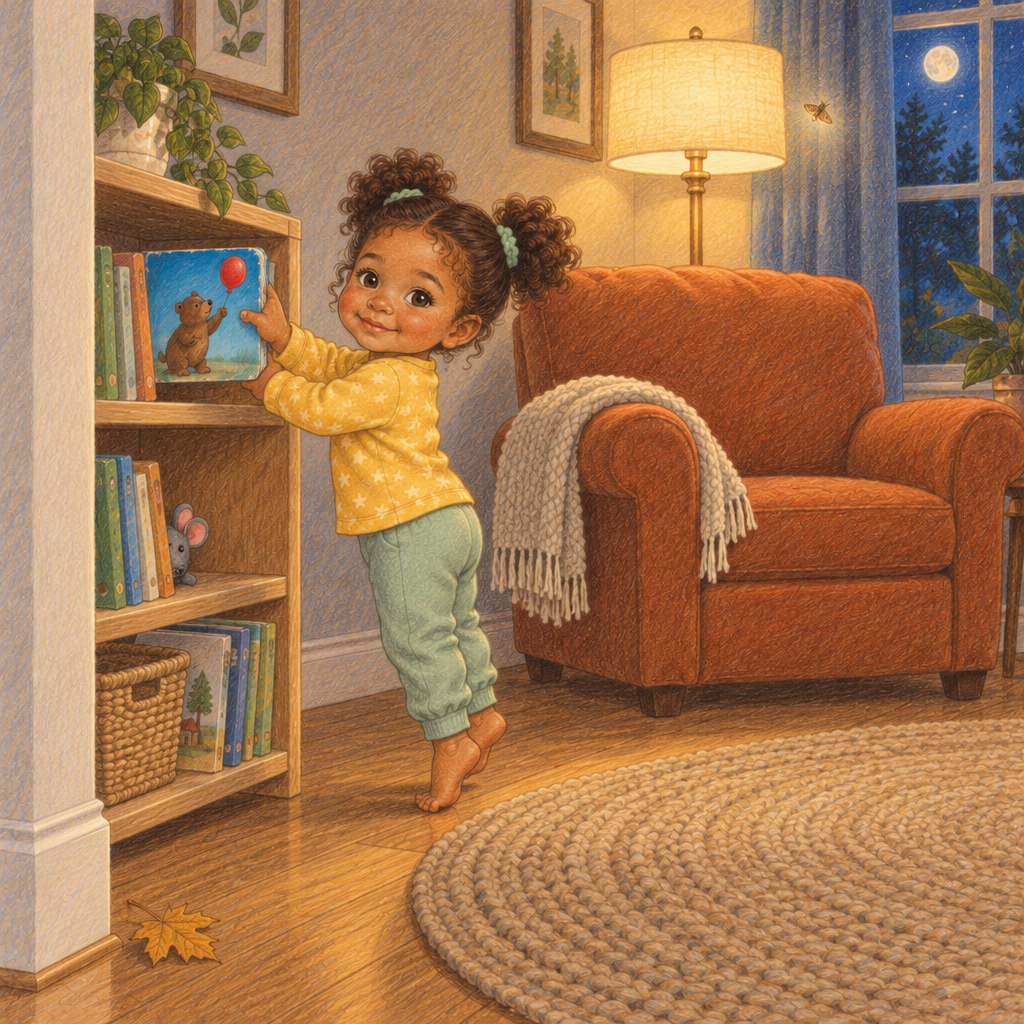
The AAP's parenting site also makes a point that is easy to miss: print books tend to get reread because their covers are visible and easy to reach. A book a child can see on the shelf, pull down, and carry over to you is a book that gets read again and again. It also recommends letting children choose what to read, which is easier when the choices are physically in front of them.
A simple balance for many families:
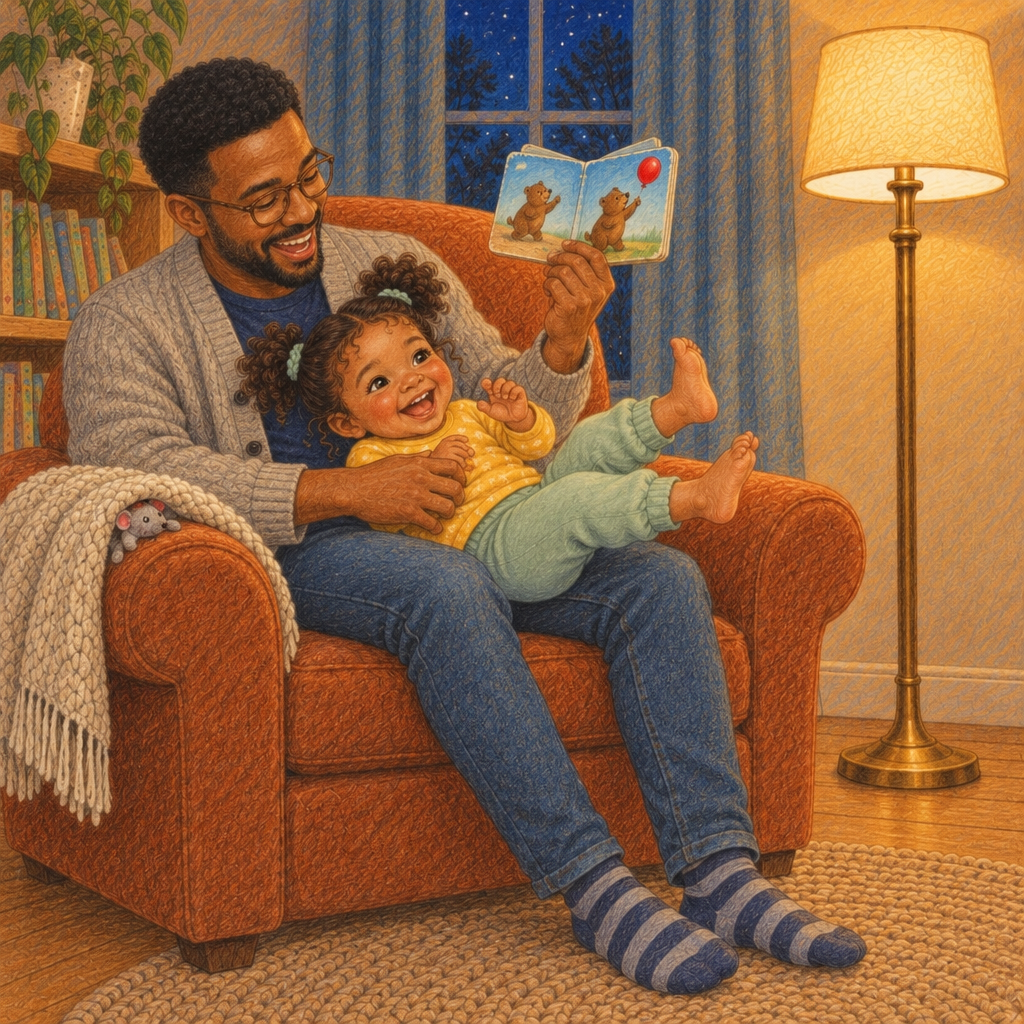
- Bedtime and quiet time: print books, read together, with plenty of pausing and talking.
- On the go: a few carefully chosen e-books with story-matched narration and no games.
- Every day: books within reach, so your child can pick their own.
What kind of book makes story time feel special?
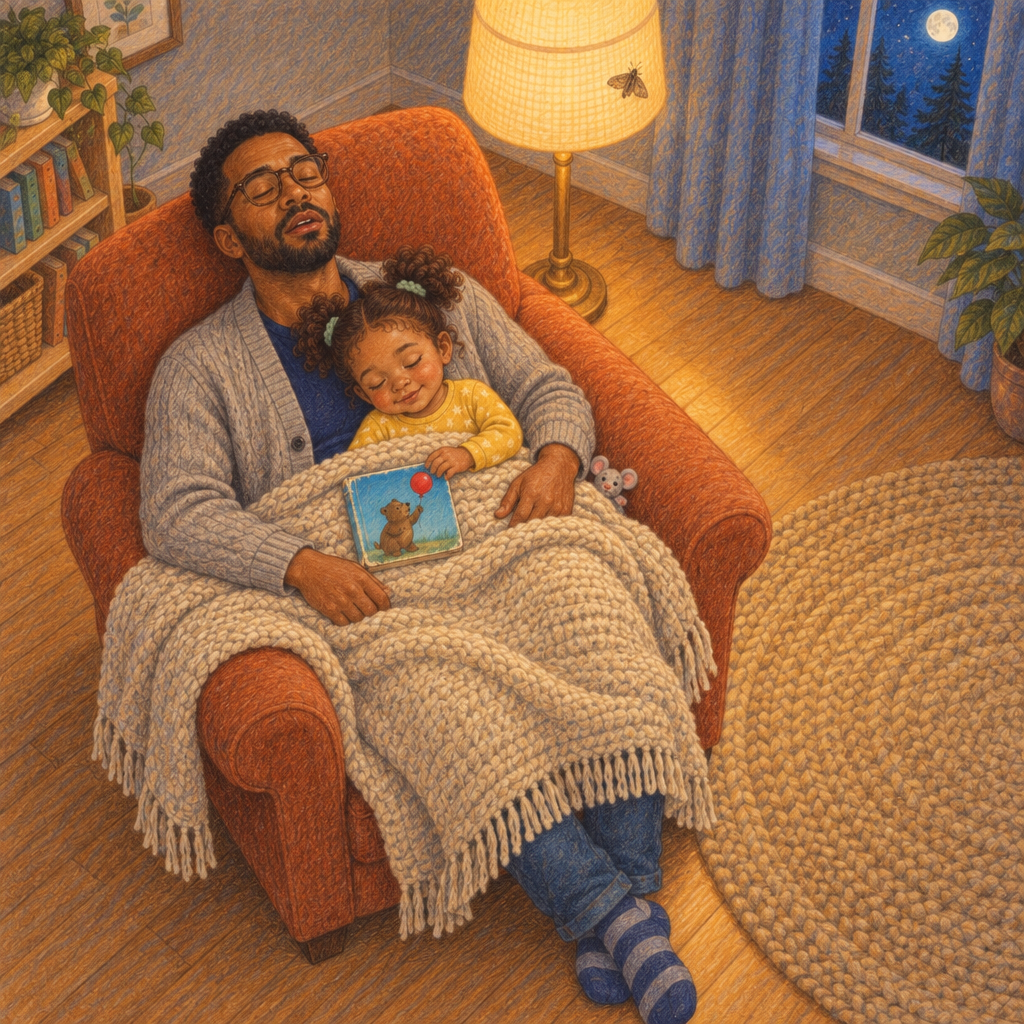
The books that work best for young children are the ones they want to hold, look at closely, and hear again. That usually means a sturdy printed book, read on a lap, with room for questions. Pick books your child will want to come back to, night after night.
That is one reason we started LittleReaders. We make printed picture books where your child is the hero of the story, so the pages are full of things worth pointing at and talking about. Whether you choose one of ours or a favorite from the library, the most important part is the same: sitting down together and turning the pages.
Hazel Finds Story Time on the Road
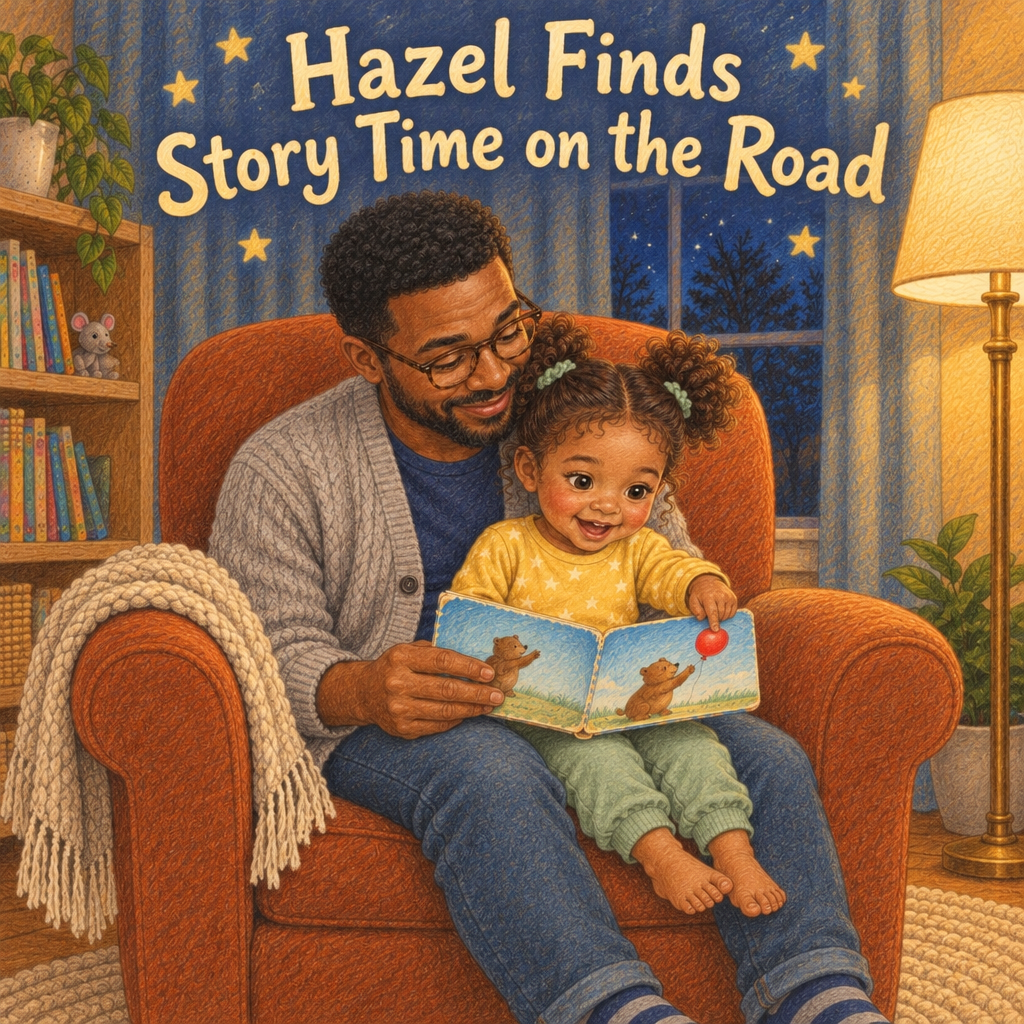
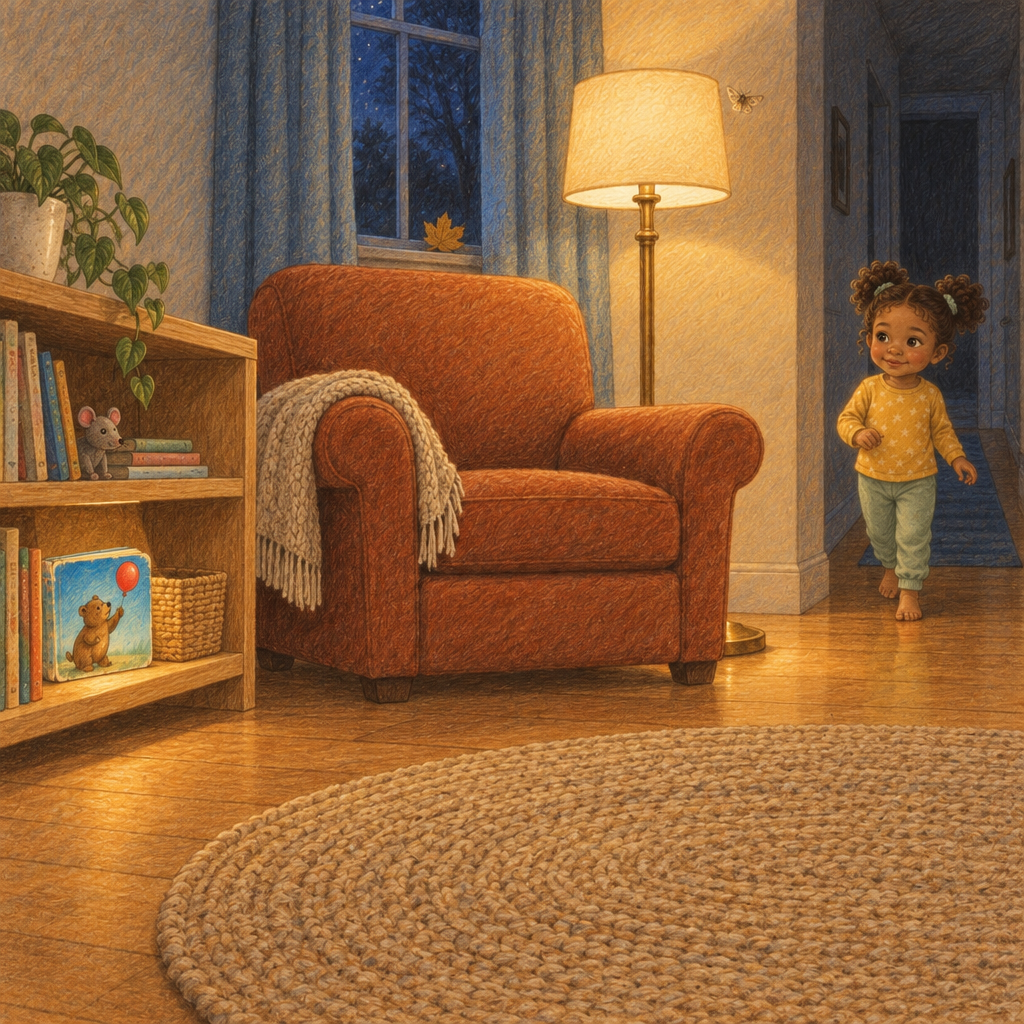
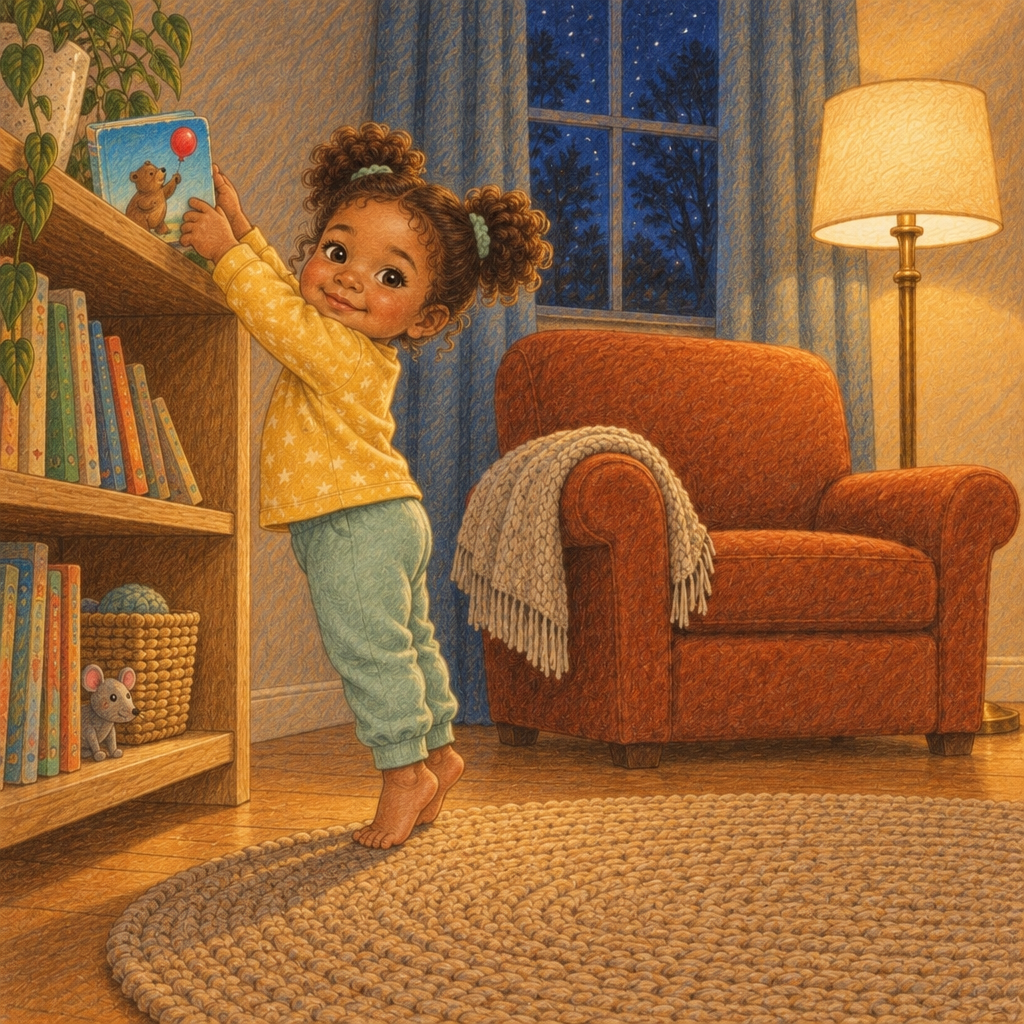
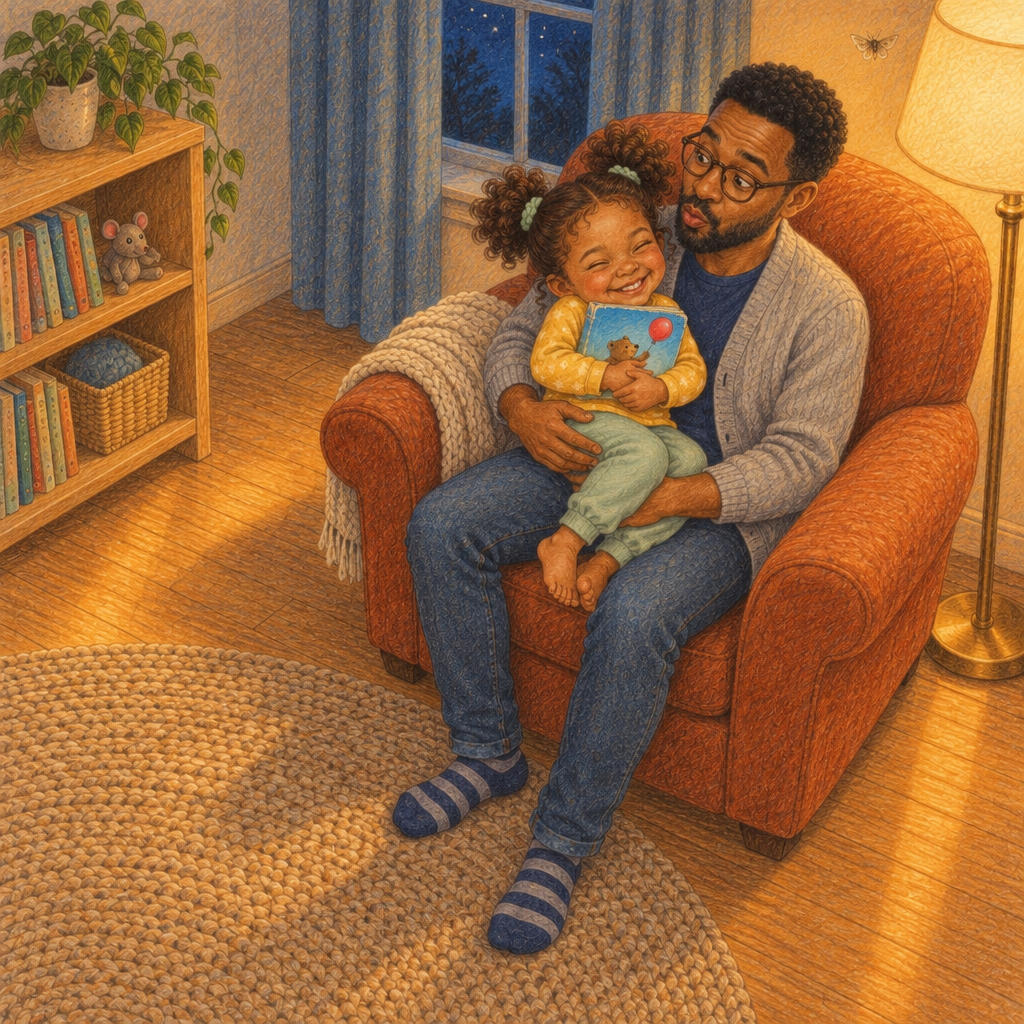
The illustrations in this book were generated with AI.
Illustrations created with AI and reviewed by humans.
Make a book starring your childThis article is for general information only and is not medical advice. Always consult your pediatrician about your child's development.
We only send new articles. Unsubscribe anytime.