How to Prepare Your Toddler for a New Baby Sibling
Published October 30, 2026 · Updated October 30, 2026
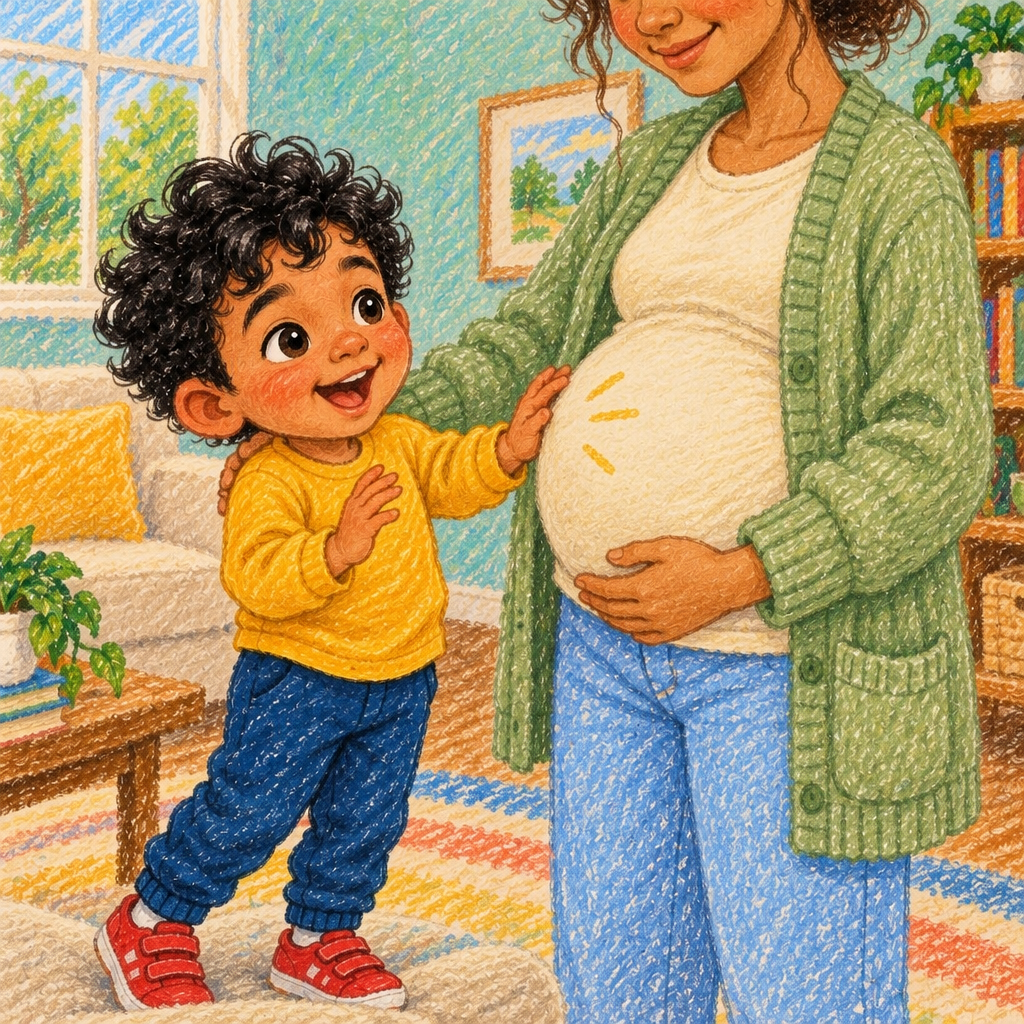
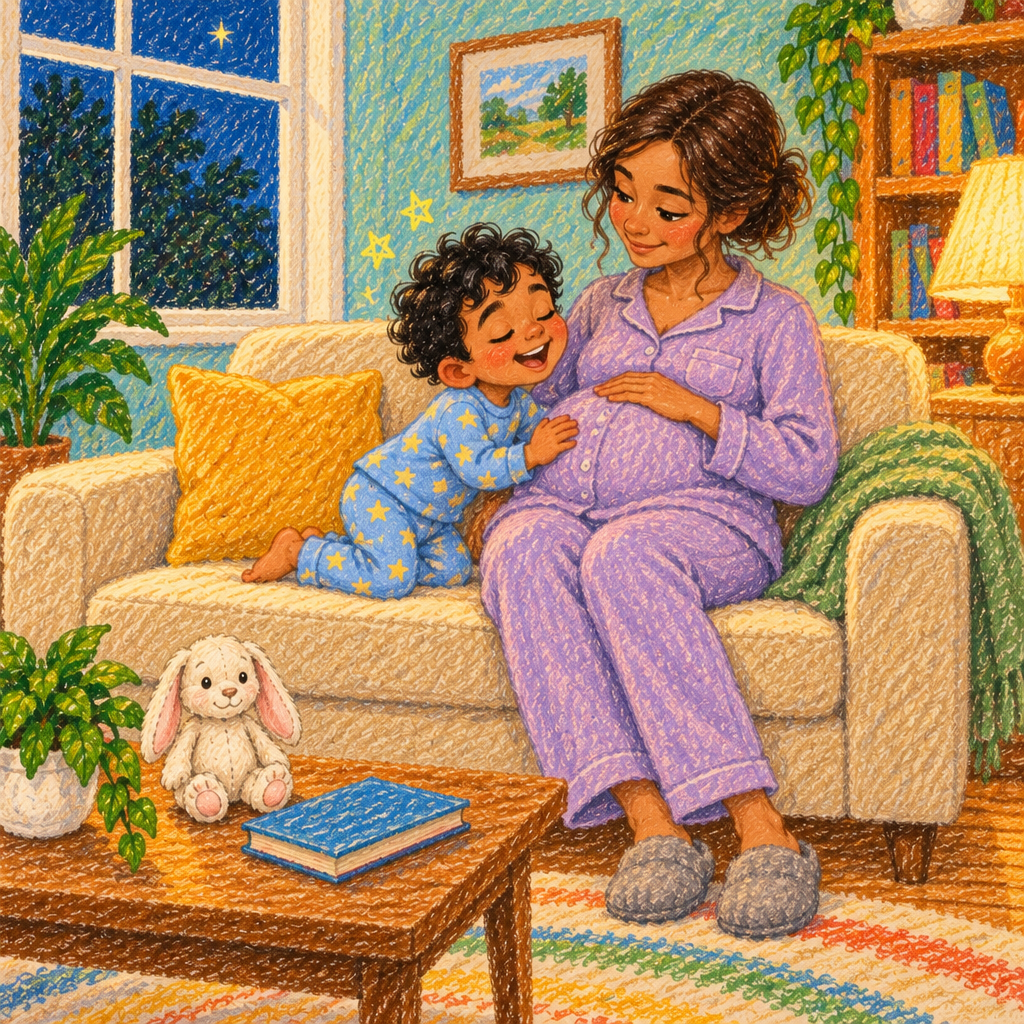
It usually starts with something small. Your toddler pats your growing belly, or asks why there is a tiny bed in the spare room, and you realize the big conversation has arrived. Every parent of a soon-to-be big sibling wonders how their child will take the news. Children vary a lot, but a few steady habits, before and after the birth, make the change gentler for everyone.
When should you tell your toddler about the new baby?
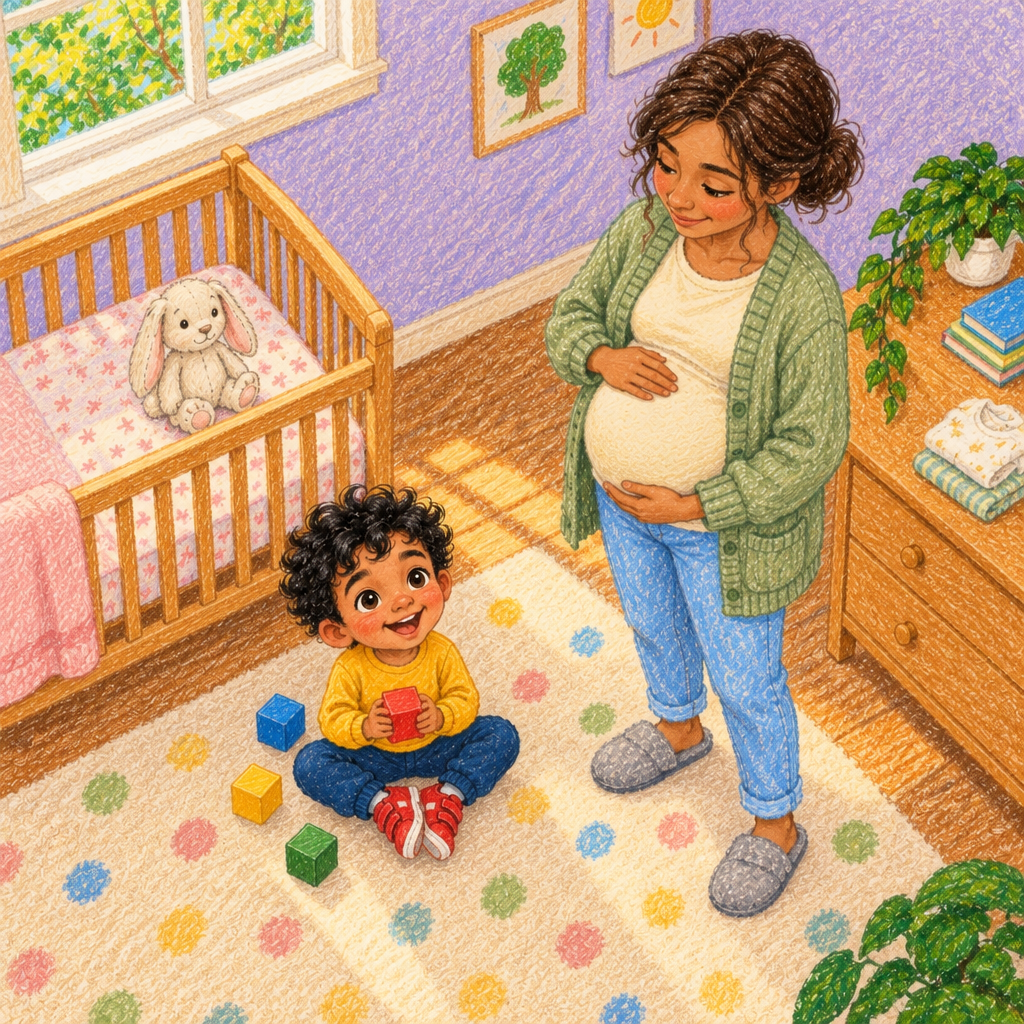
There is no single right week. Tell your child when you feel ready and when the pregnancy starts to show up in family life, then keep talking about it in small, concrete pieces. Young children do not track months well, so connect the arrival to a season or an event they already understand.
Nemours KidsHealth suggests weighing your own comfort level and your child's maturity, and points out that preschoolers may not grasp concepts of time. Saying the baby will come in winter, or when it is cold outside, may mean more to a preschooler than a number of months. Let your child's questions set the level of detail.
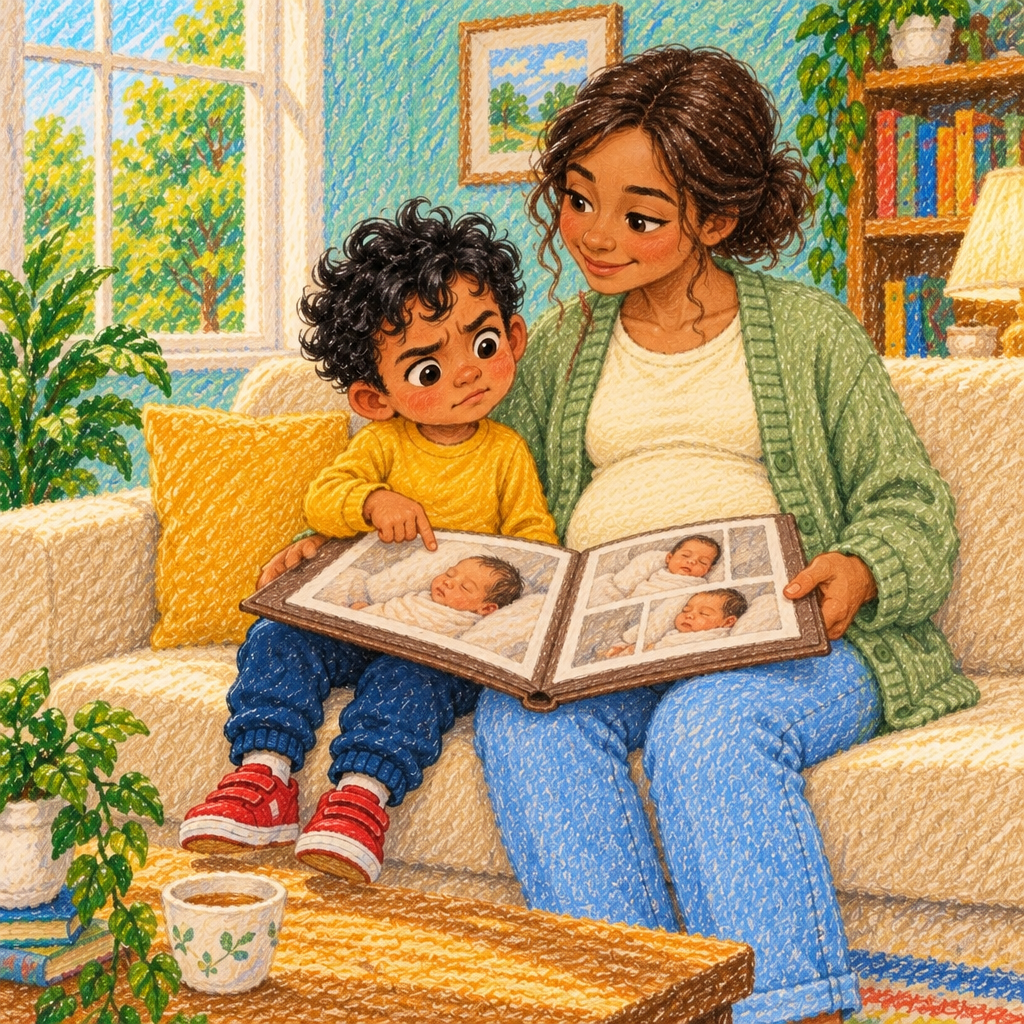
How you talk about it matters as much as when. The American Academy of Pediatrics recommends being honest: explain "that the baby will be cute but will also cry and take a lot of your time and attention," and reassure your child that you will love them just as much after the birth. It also suggests reading children's books about newborns and siblings together, which helps make words like brother, sister and new baby familiar, and looking through your child's own baby pictures. UNICEF's parenting guidance adds a small touch: if you have chosen a name, start using it with your child.
What about potty training or a new bed?
The AAP advises finishing toilet training or the move from crib to bed before the baby arrives. If that is not possible, put it off until the baby is settled at home, so your child is not learning new skills on top of everything else.
Is it normal for a toddler to regress after a new baby arrives?
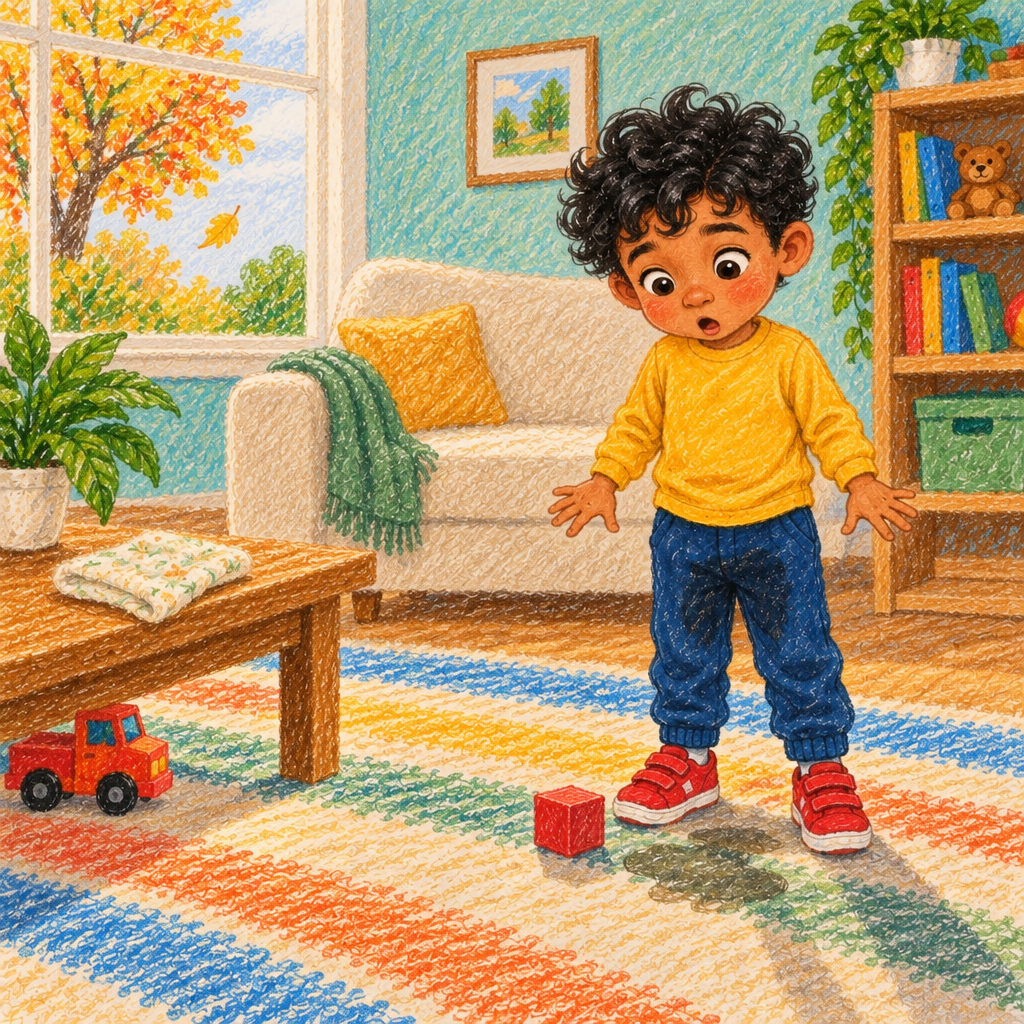
Yes. Toilet accidents, baby talk, asking for a bottle and extra clinginess are common reactions, not signs that something is wrong. They are usually a child's way of checking that they still have your love and attention. Respond to the need underneath, calmly and without punishment, and these behaviors tend to pass more quickly.
The AAP tells parents to expect a little regression, such as accidents or wanting a bottle, and calls it normal. Rather than telling your child to act their age, give them the attention they need, and praise them when they act more grown-up.
The research is reassuring, too. Brenda Volling's 2012 review in Psychological Bulletin looked at 30 studies of the transition to siblinghood and found that the evidence did not support the common view that a new sibling is a developmental crisis for most children. The clearest change was a drop in children's affection and responsiveness toward their mothers, while findings for sleep problems, anxiety, aggression and regression were mixed. Children differed widely: for some the birth brought disruption, for others developmental advances, and for others a quiet stretch with no noticeable change.
What to say when it happens
ZERO TO THREE recommends staying matter-of-fact. If your child talks like a baby, respond as though you understood and do not make a big deal of it. If there are lots of potty accidents, avoid responding with disappointment or punishment. Pushing a child to act like a big boy or girl often backfires, because in that moment they do not want to be a big kid.
How do you prepare your toddler for the hospital and the first weeks home?
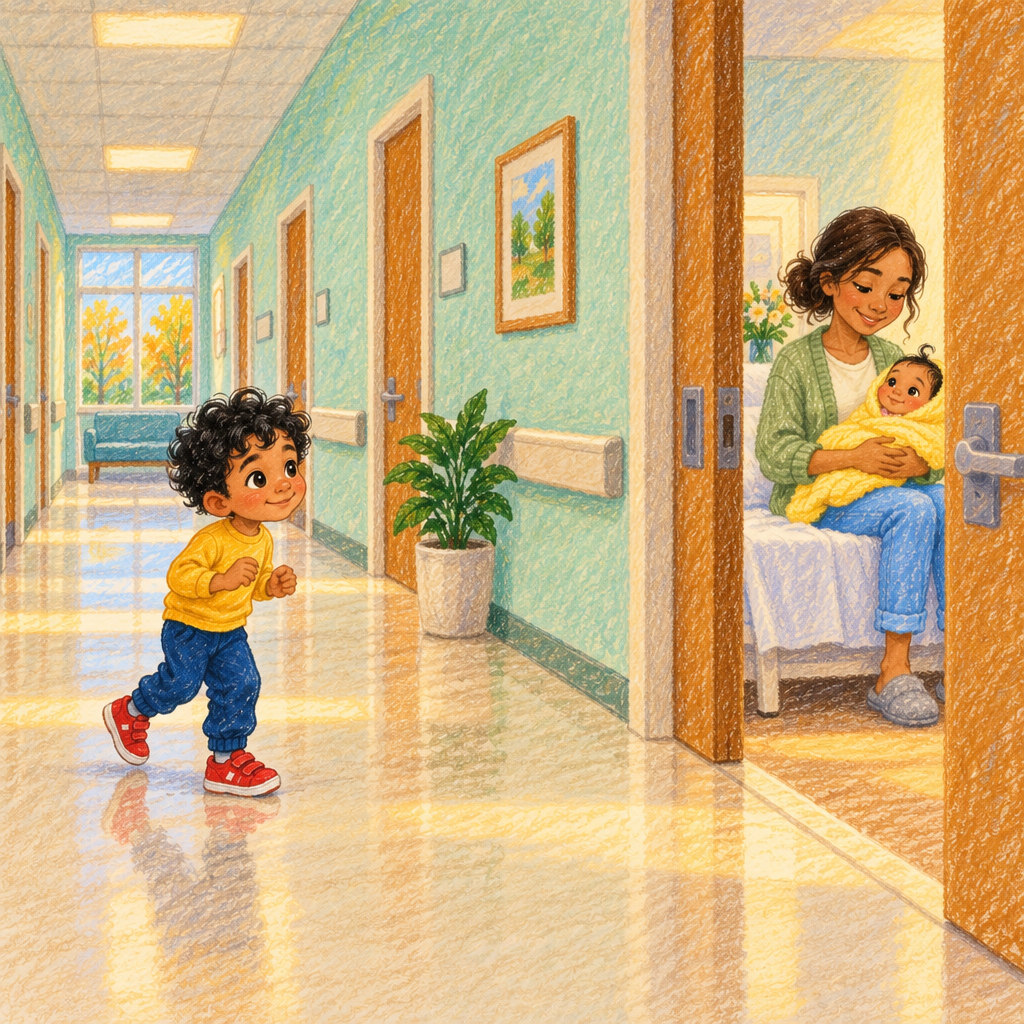
Tell your child ahead of time who will look after them while you are at the hospital, and that you will come back with the baby in a few days. Once you are home, keep their ordinary routines going, let them meet the baby without a crowd, and expect mixed feelings rather than instant love.
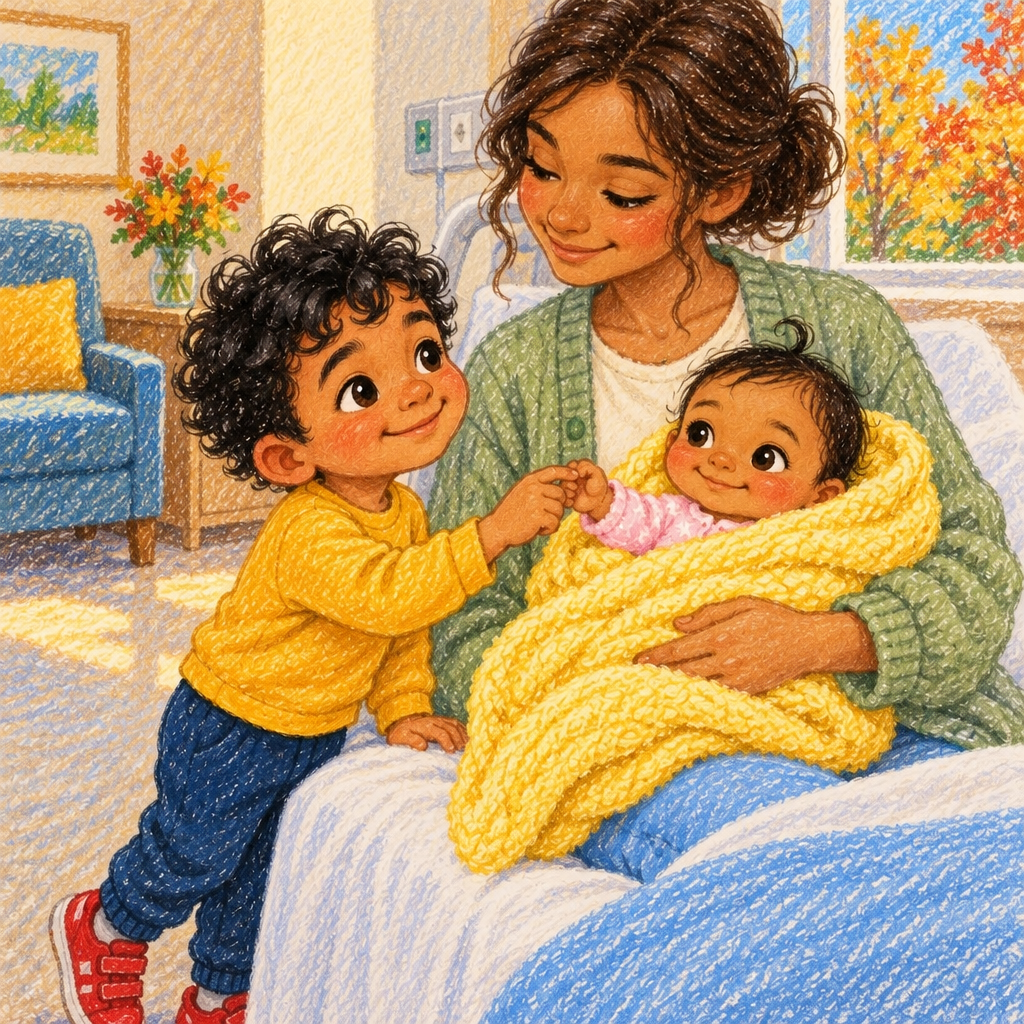
UNICEF recommends preparing your child in advance for your birth plan and what they will be doing during that time, and the AAP notes that children may be confused when a parent leaves for the hospital. KidsHealth suggests a hospital visit as soon as possible after the birth, ideally when no other visitors are around, keeping routines as regular as possible in the weeks around the arrival, and continuing childcare or preschool if you can.
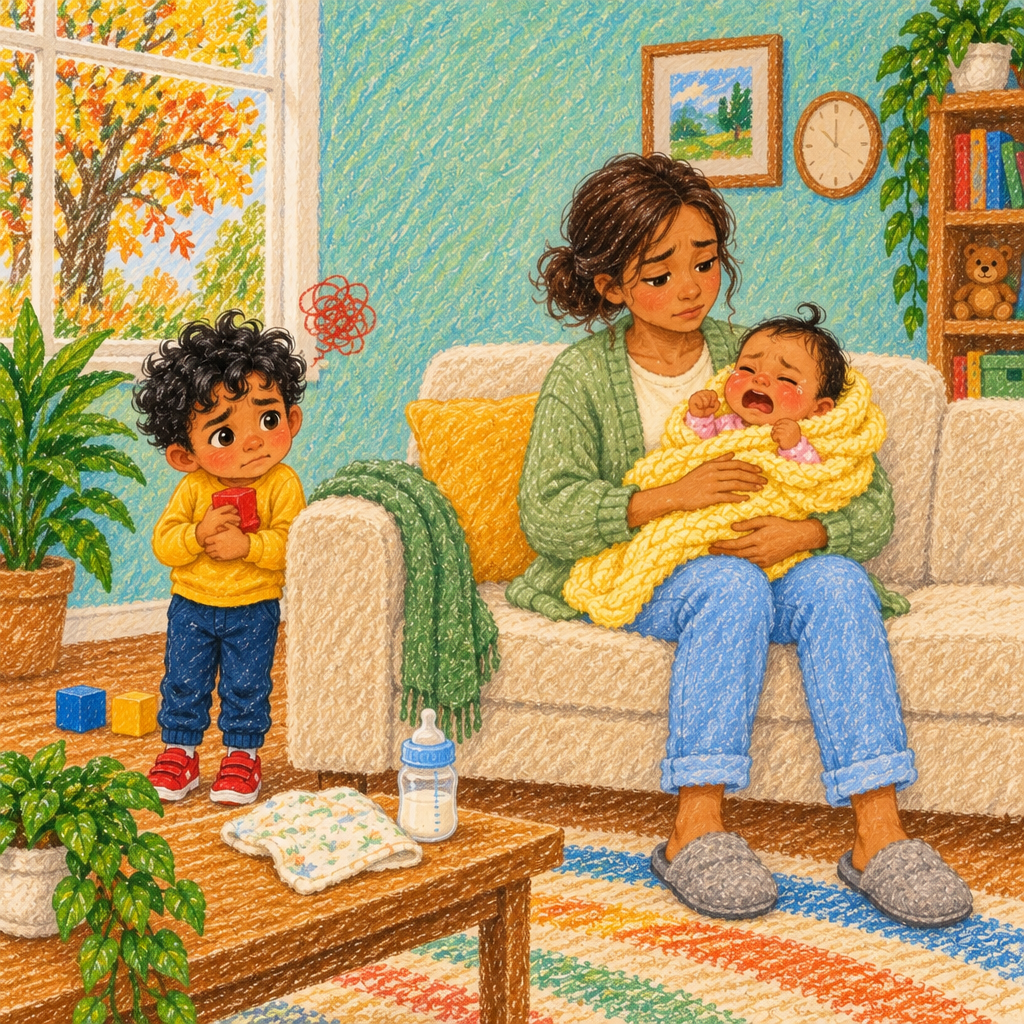
Then lower the bar for how your child should feel. ZERO TO THREE notes that many older siblings love the baby intensely and also feel angry and resentful about sharing their parents' attention, which can show up as clinginess, more tantrums, or wishing the baby would go away. That is normal. Name the feeling, as in its example: "It is so hard to wait while I feed your sister. I will help you build your tower when she is done eating." Avoid pressuring your child to adore the baby, since that pressure can make them less likely to feel warmly toward their sibling.
Ask visitors to spend a little time with your older child, too, as the AAP suggests.
How can your older child help with the baby without becoming a junior parent?
Offer small, optional jobs that let your child feel useful and close to the baby, like fetching a diaper or choosing an outfit, and make it fine to say no. The baby's care and safety stay with the adults. Your older child's real job is to be a sibling, not a helper on duty.
ZERO TO THREE puts it simply: encourage your older child to help with the new baby, but don't force it. Its examples are getting the clean diaper ready, picking out clothes or rocking the baby in a carrier. KidsHealth adds entertaining the baby during a diaper change or talking to the baby, and says a child who shows no interest is no cause for alarm. It can take time.
Praise the kindness more than the chores. UNICEF suggests telling your child what a great big brother or sister they are when you notice them being loving toward the baby, which rewards the relationship rather than the workload.
How do you protect one-on-one time with your older child?
Plan it rather than hoping it happens. A short, predictable stretch of undivided attention each day, often while the baby naps, shows your older child that they still have a place of their own with you. Partners, grandparents and close friends can share this time, so it does not all rest on one exhausted parent.
KidsHealth suggests using the baby's sleep for this and, where possible, setting aside time each day for one parent's undivided attention, noting that knowing there is special time just for them may help ease resentment or anger about the baby. The AAP keeps it simple: read, play games, listen to music or just talk together. UNICEF points out that grandparents and other close family can give this attention too.
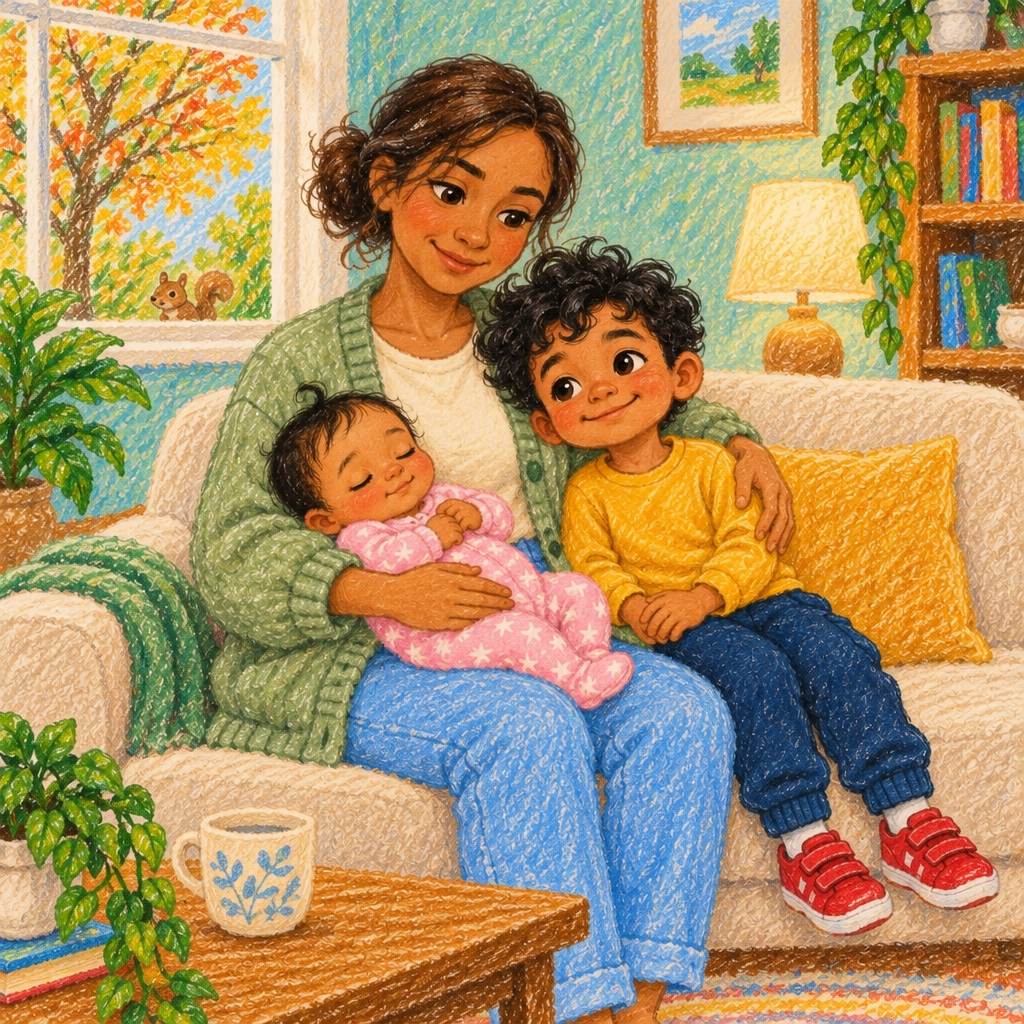
Fold your older child into baby time as well. The AAP suggests having them cuddle next to you while you feed the baby, and ZERO TO THREE suggests snapping photos of your older child whenever you are taking pictures of the newborn.
What matters most when your toddler becomes a big sibling?
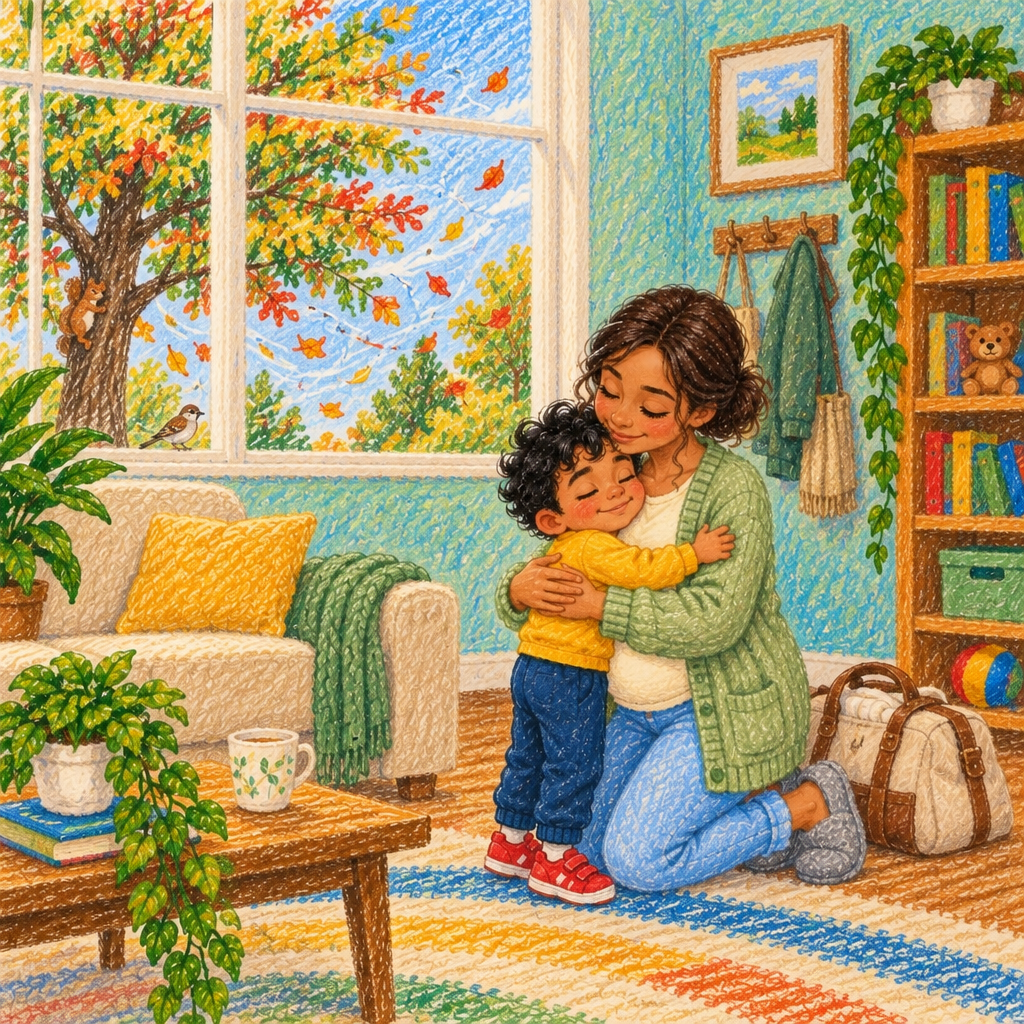
Not a perfect script. Your child will cope best with honest preparation, predictable routines, patience with the wobbles, and regular proof that your love has not been divided. Mixed feelings and a few steps backward are part of a normal adjustment, and for some children this change becomes a time of real growth.
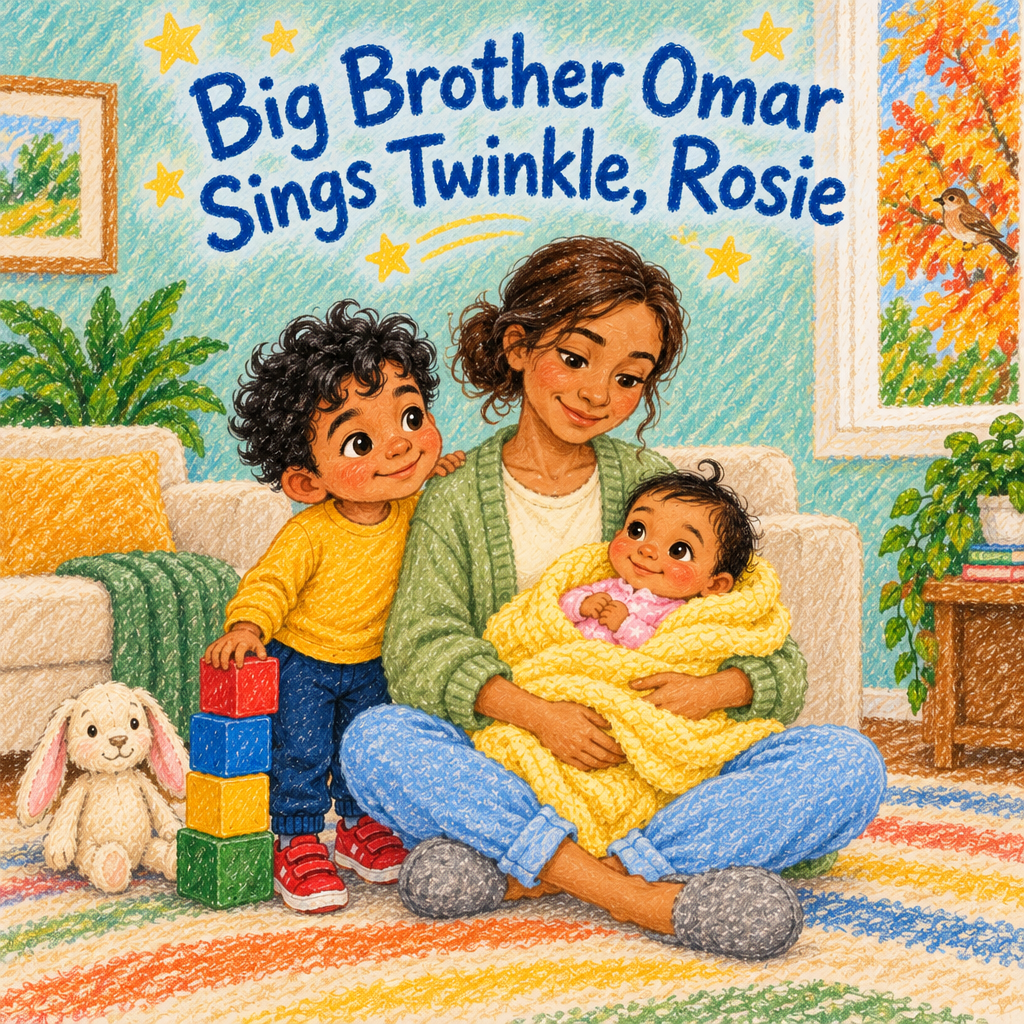
If you would like a story to share along the way, LittleReaders makes a big brother or big sister book in which your child is the hero of the new-baby story, created from a photo of them, to read together before the due date and then to both children once the baby is home. Whatever ends up on the bookshelf, the heart of it stays the same: tell the truth, keep the routines, and guard the time that belongs only to your older child.
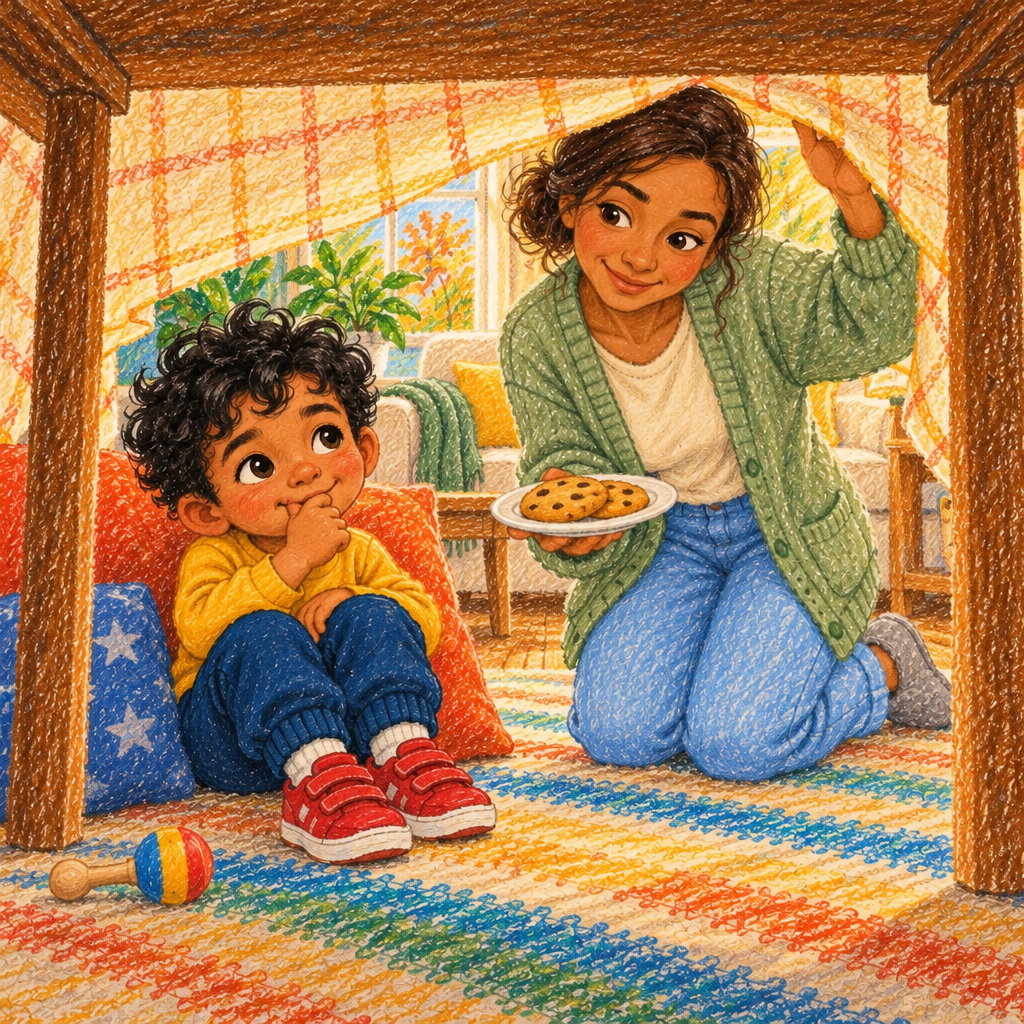
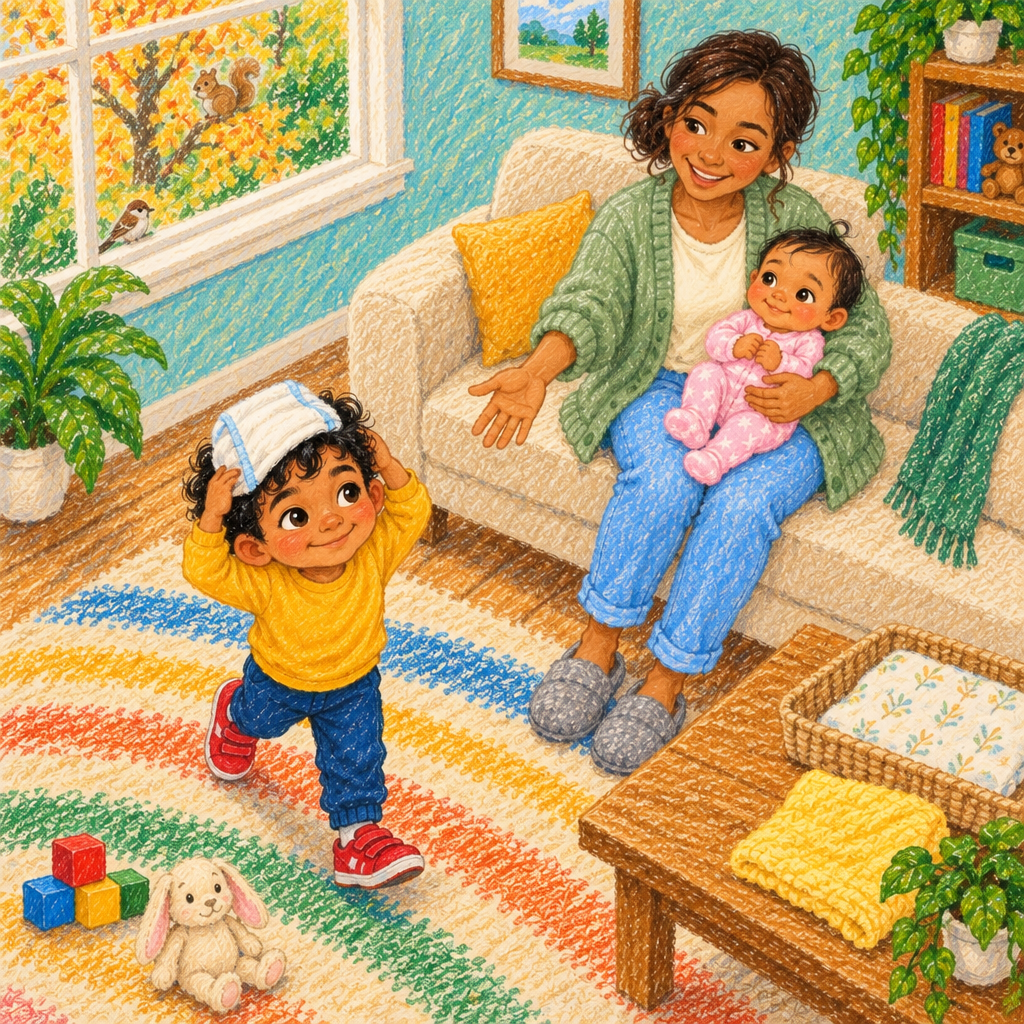
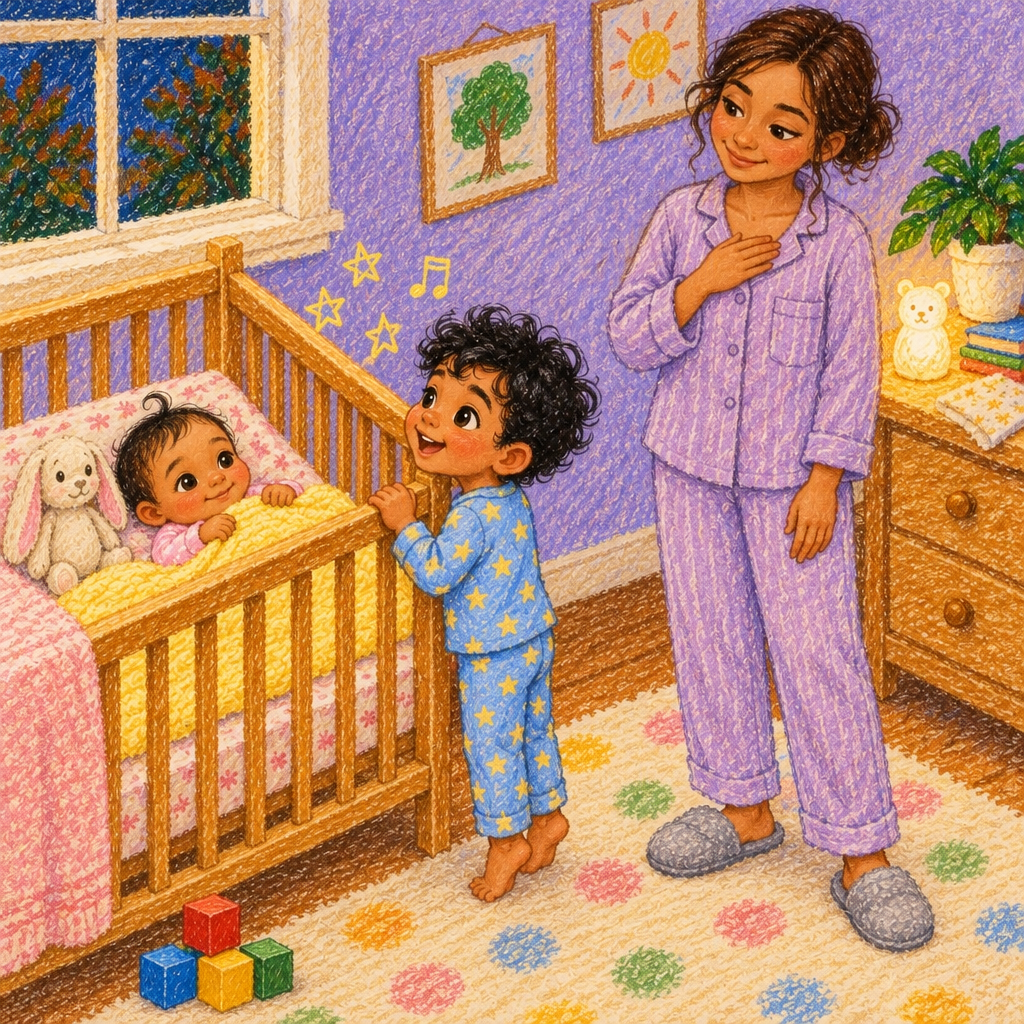
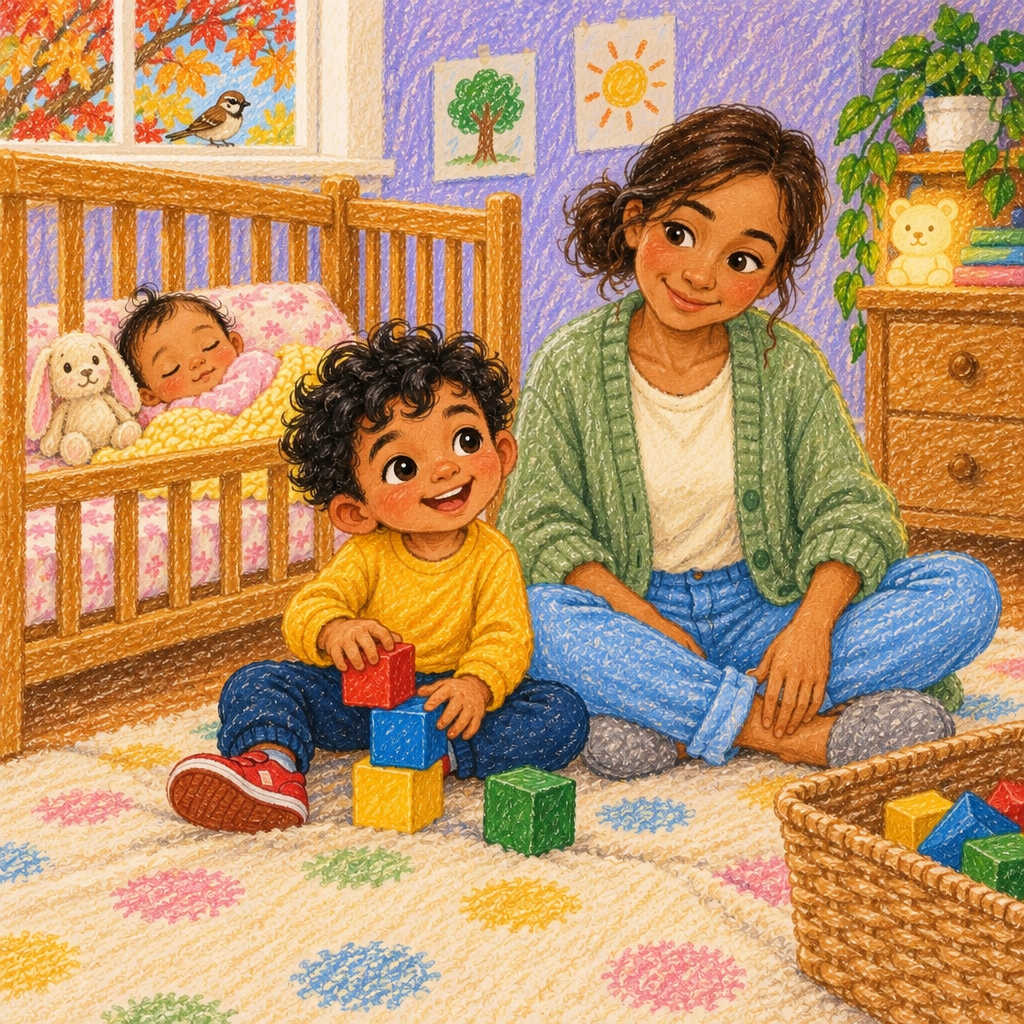
Big Brother Omar Sings Twinkle, Rosie
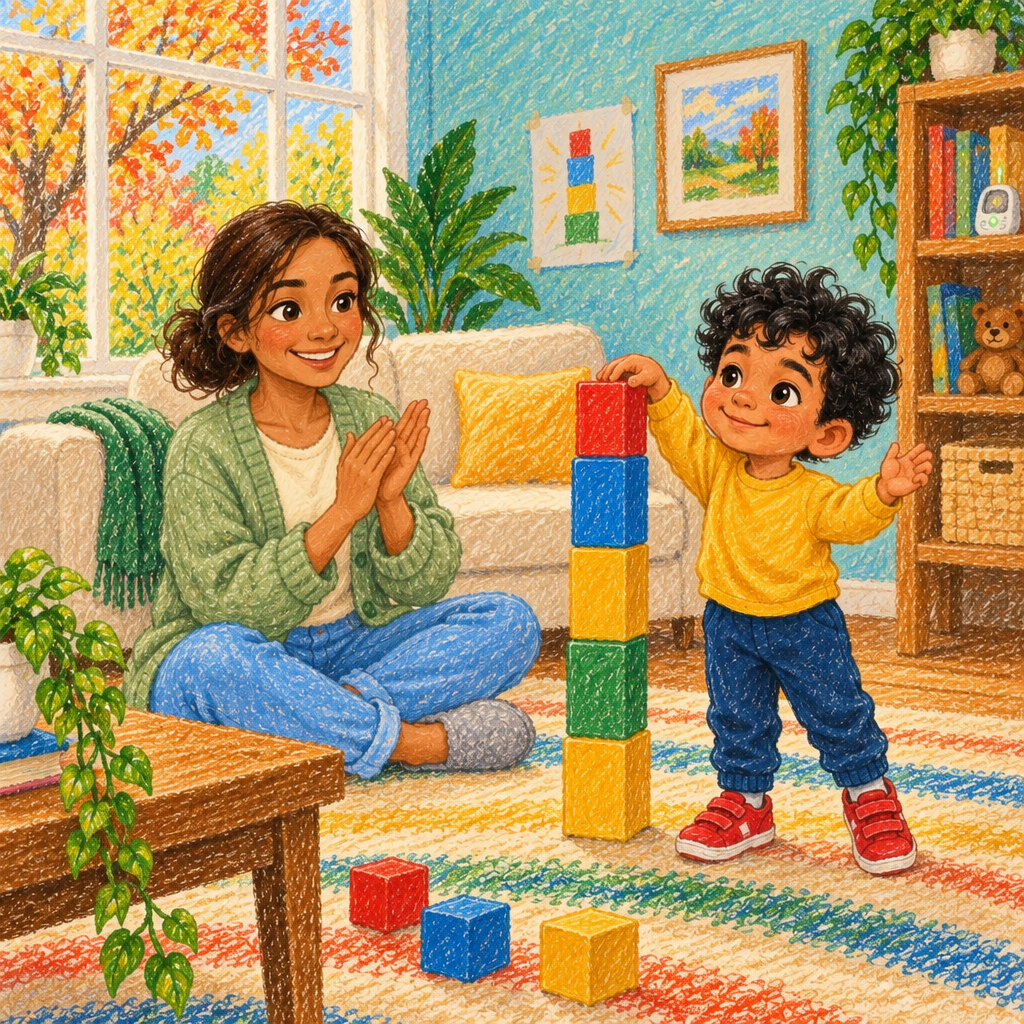
The illustrations in this book were generated with AI.
Illustrations created with AI and reviewed by humans.
Make a book starring your childThis article is for general information only and is not medical advice. Always consult your pediatrician about your child's development.
We only send new articles. Unsubscribe anytime.